



Ever wonder why “one more scroll” turns into a full hour?
Or why a single cookie never feels like enough?
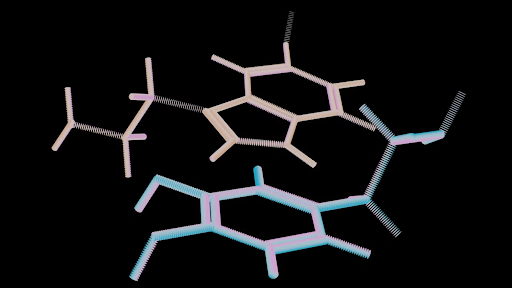
The answer is dopamine. It’s a small neurotransmitter that fuels urges, routines and reward. It also has an enormous impact on addiction, recovery and ongoing sobriety maintenance.
Here’s the problem:
Phones. Fast food. Booze. Drugs. Life these days is full of stuff engineered to bomb your dopamine system.
Your brain was never built for this much reward.
This guide will explain precisely how dopamine works, why it gets hijacked and how you can reset it.
Time to jump in!
Inside this guide:
- What Is Dopamine?
- Dopamine, Addiction And The Brain
- Why Screens, Sugar And Substances Hit So Hard
- 4x Ways To Reset Your Reward System
What Is Dopamine?
Dopamine is a neurotransmitter, which is a chemical released in your brain. Many people refer to dopamine as the “feel-good” neurotransmitter… However, that’s not exactly true.
Dopamine isn’t about liking. It’s about wanting. It wants you to pursue the things that helped the human species survive: food, water, friends.
Think of it like a teacher handing out gold stars.
Whenever you perform an action your brain deems beneficial, dopamine is released in your brain. Your brain then associates what you did with your brain’s gentle push to repeat that action.
Pretty clever, right?
It sustained humans for millennia. The problem is, it doesn’t differentiate between positive reward and toxic reward.
Dopamine, Addiction And The Brain
When something repeatedly floods your brain with dopamine, your brain rebels. Your brain reduces dopamine receptors to defend itself.
The result?
Normal pleasures stop satisfying you. Going for a walk. Eating dinner. Talking to a friend… Nothing feels rewarding. The only thing that feels “normal” is using.
This is why getting clean is so difficult. Depleted reward systems can take months to recover and that’s where addiction treatment and aftercare comes in. It allows the brain the opportunity with time, stability, and safety to recover and prevent relapse.
And that’s a lot of people. In 2024, 48.4 million people in the US aged 12 or older struggled with substance use disorder.
The good news?
The brain can recover. Studies indicate dopamine function can normalize with abstinence from the drug. It just doesn’t happen immediately.
Why Screens, Sugar And Substances Hit So Hard
Not all rewards are equal.
Some drugs deliver a tiny slow release of dopamine. Others produce massive bursts. The bigger and quicker the burst, the more addictive it becomes.
Here’s a closer look at the big three…
Screens
Your phone is basically a dopamine slot machine.
Every like, notification, new video is a small payoff. And since you never know when the next “good” one will appear… You scroll.
This is known as a variable reward. Casino games use it to get you to keep pulling the lever.
Guess what else is working: constant contact. Per Pew Research, four-in-ten US teens report they’re always online.
Sugar
Sugar is a quick hit.
Your brain produces dopamine when you eat sugar. Good idea. When sweet foods were scarce. Ripe fruit meant calories. Calories meant staying alive.
Today? Sugar is everywhere.
Processed foods combine sugar, fat and salt like never occur naturally… Which is why they’re so irresistible. Don’t be fooled by that bag of chips – it will vanish right in front of your eyes.
Substances
Drugs and alcohol take things to a whole new level.
Certain drugs can cause the release of 2 to 10 fold more dopamine than natural rewards such as food. Wanna know something else crazy…
Why hunt when you can eat cake? It’s instant pleasure points.
Here’s how the three compare:
- Screens: small, frequent hits all day long
- Sugar: quick, medium-sized hits
- Substances: massive hits that can physically change the brain
The stronger the hit, the harder the crash that follows.
And why does that crash matter? Because when dopamine falls below baseline you feel restless, agitated, and irritated. Which causes your brain to look for that dopamine squirt it knows so well… Which leads you right back to square one.
4x Ways To Reset Your Reward System
Here’s the thing most people don’t realise…
You can retrain your reward system. It will require work, but small changes every day can accumulate quickly. Choose one or two of these tips and make them habits.
Take A Dopamine Break
Give your brain a rest from its biggest triggers.
It could be a phone-free morning, or sugar-free week. Or turning off notifications. Everything will seem a little dull at first. That is OKAY!
Feeling bored means your brain is resetting itself. Simple tasks become rewarding again after a few days.
Swap In Healthy Rewards
You don’t have to give up dopamine. You just need better sources of it.
Healthy options include:
- Exercise (even a 20-minute walk)
- Sunlight in the morning
- Music you love
- Finishing a small goal
These give a slower, steadier release. No spike. No crash.
Even better, they reinforce each other over time. The more frequently you use them, the more your brain begins to crave … and look forward to … them.
Build Real Connection
Humans are wired for connection.
Spending time with friends, family or a support group floods your brain with natural dopamine. You also have people to talk to when cravings arise. Isolation leaves you alone with your thoughts which makes quick fixes appear much more desirable.
Connection is one of the strongest tools in recovery.
Be Patient With Setbacks
Relapse is normal. Research shows that anywhere from 40% to 60% of individuals in recovery will experience a relapse at some point in their lives. That’s comparable to other chronic conditions such as hypertension.
That doesn’t mean failure. It means the plan needs adjusting.
Fixing a reward system takes time. It’s a long process, where each day you stay clean is another opportunity for your brain to repair itself.
The Bottom Line On Dopamine
Dopamine is not the enemy. It motivates people to learn, and do what they need to survive. Screens, sugar, and drugs push that motivation way farther than it’s ever naturally supposed to go.
To quickly recap:
- Dopamine drives wanting, not just pleasure
- Big, fast rewards train your brain to crave more
- Repeated spikes can dull everyday joy
- The brain can heal with time, healthy rewards and connection
Whether you want to reduce scrolling or achieve sustainable recovery, the first step is identical. Learn how your brain functions… Then begin using it to your advantage.