



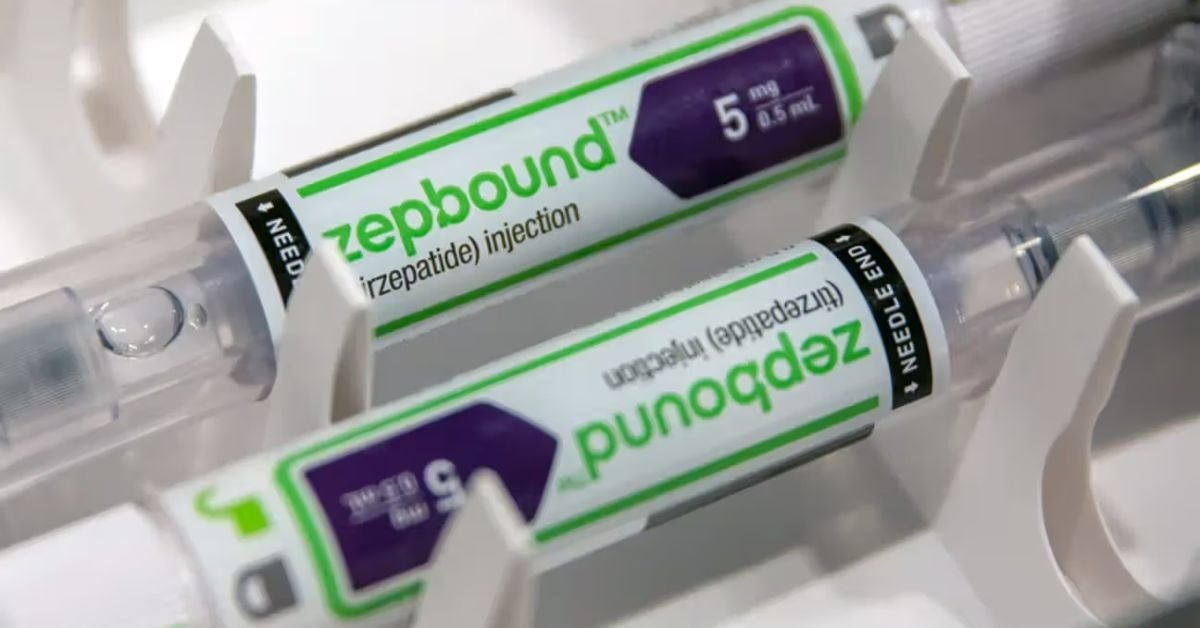
Zepbound can help some people feel satisfied after eating smaller amounts of food. Its active ingredient, tirzepatide, works on GIP and GLP-1 receptors involved in appetite regulation and food intake. By influencing appetite and slowing stomach emptying, Zepbound may make it easier to eat less while still feeling comfortable after a meal.
AM Rx provides zepbound weight loss prescription for eligible adults along with weight loss coaching, nutrition and fitness support, and progress tracking.
Feeling full with smaller portions can be useful during a weight loss program because it may reduce the urge to continue eating after enough food has been consumed. However, the response differs from person to person. Zepbound should be used as part of a broader medical weight management plan that includes appropriate nutrition, physical activity, and ongoing healthcare support.
How Zepbound Can Affect Feelings of Fullness
Tirzepatide affects two hormone receptors that play a role in appetite and food intake. GLP-1 is naturally involved in regulating appetite, while GIP also contributes to food intake regulation. By activating these receptors, Zepbound can reduce appetite and decrease calorie intake, which may make smaller meals feel more satisfying.
Zepbound also delays gastric emptying, meaning food can move through the stomach more slowly. This effect is strongest after the first dose and becomes less pronounced over time. Together with its effects on appetite, this may contribute to a greater sense of fullness after eating.
Smaller Portions May Feel More Satisfying
Before starting Zepbound, some people may be accustomed to eating larger portions before they feel satisfied. As appetite changes during treatment, the amount of food needed to feel comfortable may become smaller. Paying attention to fullness can help prevent eating beyond the body’s needs.
Eating slowly can make this change easier to recognize. Taking time between bites gives the body an opportunity to respond to food and fullness signals. Smaller portions can also reduce the chance of feeling overly full, especially when the digestive system is adjusting to treatment.
Why Eating Slowly Can Help
Eating quickly can make it harder to notice when fullness is developing. A slower eating pace gives more time to recognize changes in hunger and satisfaction. This can be particularly helpful for people using Zepbound because appetite may already be lower than before treatment.
Smaller meals eaten at a comfortable pace may also be easier to tolerate. Large or heavy meals can sometimes feel uncomfortable for people experiencing gastrointestinal effects from Zepbound. Choosing reasonable portions and eating gradually may support a more comfortable routine.
Choosing Nutrient-Dense Foods
Feeling full after smaller meals makes the quality of food more important. When overall food intake decreases, meals should still provide essential nutrients. Lean proteins, vegetables, fruits, whole grains, and healthy fats can help provide a balanced combination of nutrients.
Protein can support muscle maintenance during weight loss, while fiber may contribute to fullness and digestive health. Individual nutritional needs can vary, so a healthcare professional or qualified nutrition professional can help determine an appropriate eating pattern during treatment.
Zepbound and Appetite Changes Over Time
Appetite changes are not necessarily identical throughout treatment. Some people notice changes relatively early, while others may experience a more gradual response. Zepbound treatment usually begins with a lower dose, which allows the body to adjust before the dose is increased when appropriate.
The dose should only be changed according to the prescribing healthcare professional’s instructions. Increasing the dose more quickly does not necessarily mean better results. Medical monitoring helps determine whether the current dose is effective and well tolerated.
Managing Meals When Appetite Is Lower
A reduced appetite can make meals feel different from what a person experienced before starting Zepbound. Some people may find that they naturally want smaller portions or feel satisfied sooner. This can be useful for weight management, but consistently eating too little can make it harder to meet nutritional needs.
Planning balanced meals can help make limited appetite more productive. Instead of focusing only on reducing food, the goal can be to choose foods that provide meaningful nutrition in smaller portions. Staying hydrated is also important, particularly when gastrointestinal symptoms affect food or fluid intake.
How AM Rx Supports Zepbound Treatment
AM Rx provides eligible members with access to prescription weight management care that can include Zepbound when clinically appropriate. The program also includes weight loss coaching, nutrition and fitness support, and progress tracking. This allows medication to be considered alongside everyday habits rather than treated as the only part of weight management.
Healthcare providers can monitor how a person responds to treatment and address concerns that may develop during the process. Coaching can also help with practical changes involving portion sizes, food choices, physical activity, and consistency. AM Rx combines these areas to support a more structured weight management experience.
When Fullness Becomes Uncomfortable
Feeling satisfied after a smaller meal can be different from feeling excessively full or uncomfortable. Zepbound commonly causes gastrointestinal side effects, including nausea, diarrhea, vomiting, constipation, and abdominal discomfort. These effects can be more noticeable while the body is adjusting to treatment.
Severe or persistent symptoms should not be ignored. Anyone experiencing significant digestive problems or other concerning symptoms should contact their healthcare provider. Medical guidance can help determine whether symptoms are related to treatment and whether changes are appropriate.
Combining Appetite Control With Healthy Habits
Zepbound can make appetite management easier, but healthy habits remain important. Regular physical activity supports cardiovascular health, strength, and overall fitness, while nutritious meals help provide the energy and nutrients needed during weight loss.
Using smaller portions does not mean every meal needs to be extremely small. The focus should be on recognizing hunger and fullness, choosing nutritious foods, and avoiding unnecessary overeating. These habits can complement the appetite-related effects of Zepbound and support long-term weight management.
Individual Responses Can Vary
Not everyone experiences the same level of appetite suppression or fullness with Zepbound. Factors including dose, individual biology, eating habits, activity levels, medical conditions, and other medications can influence the overall response. Some people may notice substantial appetite changes, while others may experience more gradual effects.
Weight loss results also vary between individuals. Clinical averages can provide useful information about what happened in studies, but they cannot predict exactly how much weight one person will lose. Regular communication with a healthcare provider can help keep expectations realistic and treatment appropriate.
Final Thoughts
Zepbound may help people feel satisfied after smaller meals by affecting appetite, calorie intake, and stomach emptying. These effects can make portion control easier for some people and may support reduced calorie intake during a medically supervised weight loss program.
The best results come from viewing Zepbound as one part of a broader approach. Nutritious meals, regular physical activity, appropriate dosing, and ongoing medical support all have a role in long-term weight management. AM Rx combines Zepbound access for eligible patients with coaching, nutrition and fitness guidance, and progress tracking to support this broader approach.